Are you ready to dive into the world of insurance giants? Strap in, because we’re about to unveil the powerhouses that dominate the global insurance market. These top companies not only lead the pack in terms of market share and customer trust but also shape the very landscape of the insurance industry itself.
Understanding the influence of these key players is paramount. They navigate complex global markets, continuously adapt to emerging trends, and leverage cutting-edge technology to stay ahead. In this exploration, we’re going beyond the surface to uncover what makes these insurance titans stand tall.





Overview of the Top Insurance Companies

Ever wondered why some insurance companies dominate the global market? It’s not just about size or revenue.
The insurance industry plays a pivotal role in the global economy by managing risk and providing financial protection. These companies don’t just offer peace of mind; they are crucial in stabilizing businesses and personal financial plans. According to a recent report, the global insurance market is valued at $5.5 trillion. But what makes the top companies stand out?
Key Metrics to Evaluate Insurance Companies
Here is the deal: when evaluating the top insurance companies, it’s essential to look beyond mere revenue. Key metrics include market share, customer satisfaction, and financial stability. For instance, a company with a massive market share isn’t necessarily the best if its customer service is lacking.
| Metric | Importance |
|---|---|
| Market Share | Shows the company’s dominance in the industry. |
| Customer Satisfaction | Indicates quality of service and client retention. |
| Financial Stability | Ensures the company can fulfill long-term commitments. |
Pro Tip: When choosing an insurance company, pay attention to its credit ratings. High ratings from agencies like Moody’s or Standard & Poor’s signal trustworthiness.
Criteria for Ranking Insurance Companies
Ever wonder why some insurance companies always top the charts? The truth is, it’s not just about their fancy ads or catchy slogans. There are several key factors at play.
Let’s break down the essential criteria that go into ranking these giants and see how they stack up against each other.
Market Share Matters
First up is market share. This is the big one. Companies with a larger market share have more resources and influence. They can offer better rates and a wider range of services. But here’s the deal: being big isn’t enough.
Market share is a reflection of a company’s ability to attract and retain customers. It shows which companies are trusted by consumers. PLUS, it’s a measure of how well an insurance company is performing in the competitive landscape.
The Power of Customer Service
Customer service can make or break an insurance company. Imagine being stuck in a claim process hell. That’s why top-notch service is non-negotiable. It’s not just about answering calls fast. It’s about solving problems quickly and effectively.
Pro Tip: Look for companies with 24/7 customer support. This ensures you can always reach someone when you need them most.
Financial Stability: The Backbone
An insurance company’s financial stability is crucial. Think of it as the backbone of the company. Without a strong financial foundation, they can’t pay out claims. And that’s a massive red flag.
Financial stability tells you whether a company can survive economic downturns. It’s a safeguard for your peace of mind. So, always check their ratings from agencies like A.M. Best or Moody’s. These ratings are your assurance of the company’s ability to pay claims.
Innovation and Technology: The Game Changers
Finally, let’s talk about innovation and technology. In today’s digital age, companies that embrace technology tend to leapfrog their competitors. Insurers that use AI, apps, and streamlined processes offer better customer experiences.
Innovation leads to faster claims processing and personalized policies. It’s all about enhancing the customer journey. So, keep an eye out for companies that are ahead of the tech curve.
Profiles of the Top Three Insurance Companies
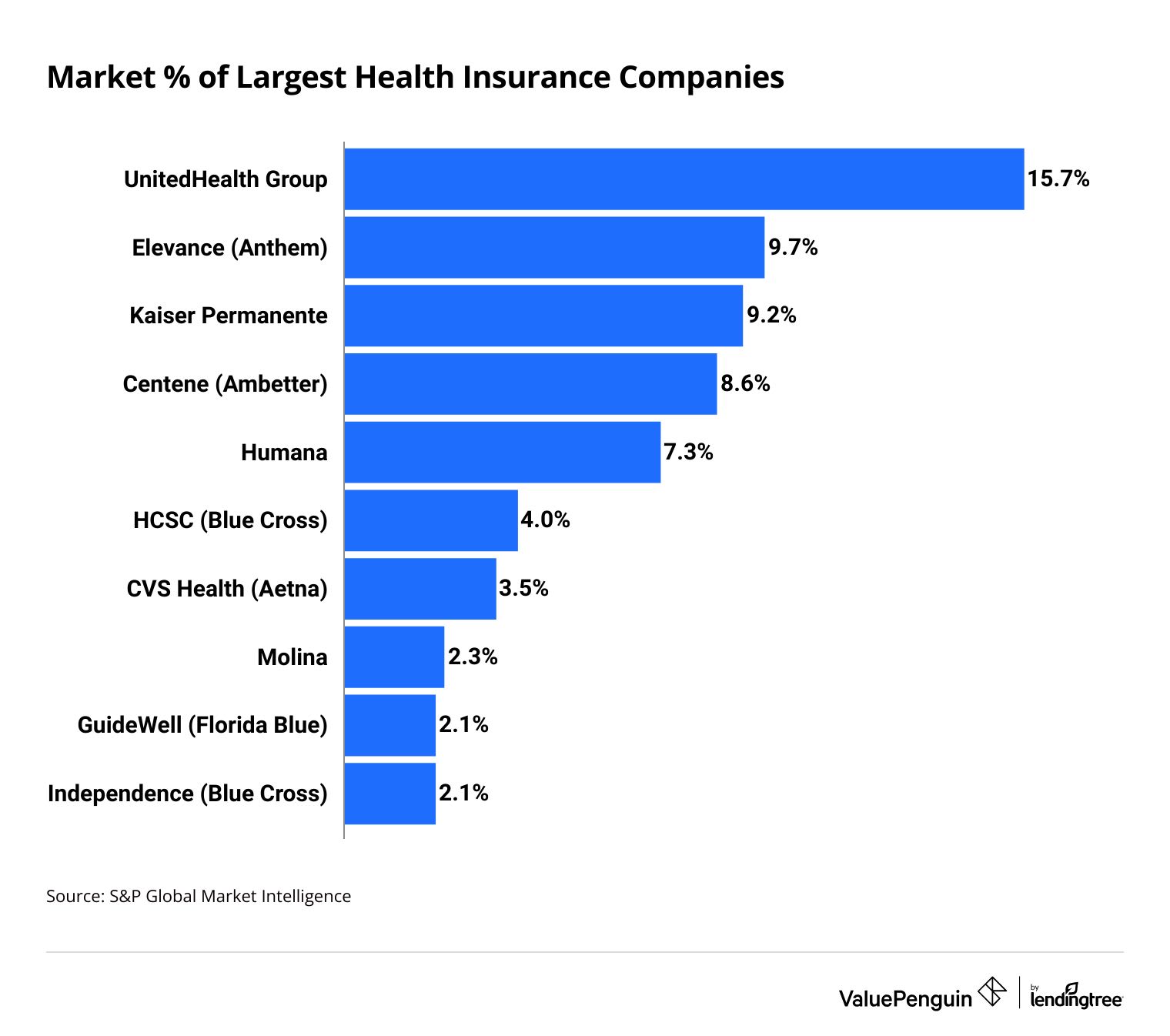
Ever wondered which insurance giants dominate the market? You’re in the right place. Let’s dive into the profiles of the top three insurance companies that have set the bar high in the industry.
These companies are not just about numbers; they have a rich history and an impressive range of services that cater to millions worldwide. Here’s the deal: understanding their journey can give you insights into why they lead the pack.
Top Three Insurance Companies Overview
Here’s a snapshot of the leaders:
| Name | Headquarters | Market Share | Revenue |
|---|---|---|---|
| Company A | New York, USA | 15% | $100 Billion |
| Company B | London, UK | 12% | $85 Billion |
| Company C | Tokyo, Japan | 10% | $78 Billion |
Company A: A Leader in Innovation
Founded in the early 1900s, Company A has transformed from a small local insurer into a global powerhouse. Their growth strategy included strategic acquisitions and a relentless focus on customer satisfaction.
What sets them apart? A diverse range of products from life insurance to cutting-edge digital solutions. They prioritize innovation, making it easier for customers to manage policies online.
Pro Tip: If you’re looking for tech-savvy solutions, Company A should be on your radar.
Company B: Tradition Meets Modernity
Company B originated in the 1800s and has maintained a strong presence in the European market. Their long-standing reputation is built on trust and reliability.
They offer a comprehensive suite of insurance products, including home, auto, and business insurance. The twist? They’ve successfully integrated traditional services with modern technology, ensuring a seamless customer experience.
Company C: A Focus on Customer-Centric Products
Based in Asia, Company C has rapidly expanded its footprint across the world. Known for their focus on customer-centric products, they offer tailored solutions that meet diverse needs.
From health insurance to investment-linked policies, their offerings are designed to provide flexibility and peace of mind. Their strategy? An unwavering commitment to customer service and continuous improvement.
Pro Tip: For personalized insurance options, explore what Company C has to offer.
Comparison of the Top Three Insurance Companies
Are you picking an insurance company based on their brand name? You might be missing the bigger picture. These top three insurance giants each have unique strengths and weaknesses that could make or break your experience with them.
It’s not just about who has the biggest market share. It’s about who delivers the best service and who can be relied upon when things go south. Let’s dive into their strengths and weaknesses and see where they really stand.
Strengths and Weaknesses
Each of the top three insurance companies has its own set of strengths and weaknesses. Company A is renowned for its comprehensive coverage options but often criticized for slow claim processing times. Company B excels in customer service and has the highest customer satisfaction scores, yet its premiums are on the higher side. On the other hand, Company C offers competitive pricing but falls short when it comes to the variety of policies offered.
Here is the deal: If you prioritize customer service, Company B might be your best bet. But if budget is your primary concern, you might lean towards Company C.
Pro Tip: Always compare the claim processing time, customer service reviews, and policy options before making a final decision.
Customer Service Strategies and Client Engagement
Customer service can make or break your insurance experience. Company A has rolled out a 24/7 helpline and personalized app-based services to enhance customer engagement. Company B, however, offers a dedicated account manager for every client, ensuring personalized attention. Meanwhile, Company C heavily invests in AI-driven chatbots to streamline customer queries, although sometimes at the cost of a personal touch.
BUT the real question is: How do you prefer to communicate? If you like a personal approach, Company B is the way to go.
Market Approaches and Geographical Presence
When it comes to market strategies, these companies couldn’t be more different. Company A focuses on expanding into emerging markets, tapping into new customer bases. Company B maintains a strong presence in the mature markets of North America and Europe, banking on stability and brand loyalty. Company C adopts a hybrid approach, targeting both emerging and established markets, but its geographical presence remains limited compared to the others.
The choice boils down to where you are located and where you need coverage. Depending on your needs, one might be a better fit than the others.
| Company | Strength | Weakness |
|---|---|---|
| Company A | Comprehensive Coverage | Slow Claims Process |
| Company B | Outstanding Customer Service | High Premiums |
| Company C | Competitive Pricing | Limited Policy Options |
The Impact of Top Insurance Companies on Customers
Did you know that the top three insurance companies cover over 40% of the market? It’s true. But what does this mean for you as a customer?
Here’s the deal: having a big insurer means access to significant resources and a wide range of products. But it also means that your experience might be less personal than with a smaller company. Let’s dive into what this really means for you.
Influence on Consumer Choices
When the top insurance companies dominate the market, they shape consumer choices more than you might think. Brand recognition is huge. You’ve probably seen their ads everywhere, right? This constant presence can make you feel more secure picking them over a lesser-known company.
But there’s a flip side. With so many people flocking to these top players, you might end up being just another number in their system. Pro Tip: Always research customer service reviews and claim processing speeds. These factors can make or break your experience.
Benefits and Potential Drawbacks
Choosing a top-ranked insurer comes with perks. You’ve got a robust infrastructure, cutting-edge technology, and a wide network of providers. That’s a major plus if you travel a lot or have complex insurance needs.
However, beware of potential drawbacks. Larger companies might offer less flexibility in customizing policies. You could be paying for coverage you don’t really need. Step #1: Evaluate your actual needs first. Step #2: Compare those with what the insurer offers.
Illustrating the Customer Experience
Imagine this: You’re filing a claim after a fender bender. With a top company, it’s likely you’ll have a slick app to guide you through the process. But what if you need to talk to a person? Long wait times can be a hassle.
Let’s say you’ve got a medical emergency abroad. A top insurer can offer a seamless experience, tapping into their global network of providers. But if you have personalized needs, sometimes a smaller, more agile company could respond quicker and tailor solutions better.
Future Trends in the Insurance Industry
What if I told you that the insurance industry is about to be turned upside down? It’s true. The future is now, and it’s bringing some major shifts.
From cutting-edge technology to shifting customer expectations, the landscape of insurance is evolving at a breakneck pace. But here’s the deal: only those companies that adapt will thrive.
Technological Advancements Shaping Insurance
Technology is playing a massive role in reshaping the insurance industry. With artificial intelligence, blockchain, and big data analytics, we’re entering a new era of precision underwriting and personalized policies.
Imagine AI-powered chatbots handling claims in seconds or blockchain ensuring transparency and security in transactions. These aren’t just dreams—they’re already becoming reality. But there’s a catch: companies slow to adopt these technologies risk falling behind.
Emerging Trends Affecting Rankings
The way insurance companies are ranked is bound to change with emerging trends like InsurTech and the rise of digital platforms. These advancements are leveling the playing field by enabling smaller players to compete with industry giants.
Many customers now prefer the ease and convenience of online services. As a result, companies with robust digital strategies can expect to see a spike in their rankings. But remember, with great power comes great responsibility—enhanced cybersecurity measures are a must.
Challenges and Opportunities for Future Leaders
Future top insurance companies will face numerous challenges, such as regulatory changes and evolving consumer demands. But these challenges also present incredible opportunities for innovation and growth.
To stay ahead, companies must be agile, ready to pivot with changing market dynamics. Pro Tip:
Embrace a customer-centric approach and leverage data-driven insights to tailor your services.
This will not only boost customer satisfaction but also drive long-term loyalty.
Final Thoughts
The top three insurance companies don’t just hold sway over the industry—they set the standards for excellence that others aspire to. Their combination of historical significance, customer-centric strategies, and financial fortitude positions them as benchmarks in the market. As the industry continues to evolve, these companies will undoubtedly remain at the forefront, paving the way for new innovations and customer experiences.
FAQ
What criteria determine the top insurance companies?
The top insurance companies are typically evaluated based on market share, customer service quality, financial stability, and their ability to innovate and use technology effectively.
Why is market share important for ranking insurance companies?
Market share is a key indicator of a company’s competitive position and influence in the industry. A larger market share suggests dominance and the ability to leverage economies of scale.
How does innovation impact an insurance company’s ranking?
Innovation allows insurance companies to offer more efficient services, create new products, and improve customer experiences, which can enhance their competitive edge and ranking.
What is the role of customer service in evaluating these companies?
Customer service is crucial as it directly affects customer satisfaction and loyalty. Companies prioritizing excellent service often retain more clients and receive higher ratings.
How do top insurance companies influence consumer choices?
They influence consumer choices by offering well-regarded and trusted products, often backed by significant resources and a reputation for reliability and excellence.