Welcome to the ultimate guide on understanding auto insurance in Massachusetts! Whether you’re a seasoned driver or a newcomer to the Bay State, navigating the world of auto insurance can be overwhelming. But fear not, because in this article, we’re breaking down everything you need to know about how much auto insurance costs in Massachusetts and the factors that could influence those numbers.
Massachusetts auto insurance rates are shaped by various factors that might surprise you. From the state’s mandatory minimum coverage requirements to the impact of your driving history and geographical location, each element plays a crucial role in determining your premiums. Let’s dive in and explore how you can get the most bang for your buck when it comes to auto insurance in the beautiful state of Massachusetts.




Understanding Auto Insurance Basics in Massachusetts
Here’s a surprising fact: Massachusetts has some of the highest auto insurance rates in the U.S. But why is this the case?
To get the full picture, you need to grasp the basic components of auto insurance in the Bay State. Let’s break it down.
Key Components of Auto Insurance Policies
Auto insurance in Massachusetts generally includes several key components. These are liability, collision, comprehensive, and personal injury protection (PIP). Each part serves a different purpose, but all are crucial.
Liability insurance covers your financial responsibility if you’re at fault in an accident. Collision insurance handles repairs to your car after a crash. And comprehensive coverage comes into play for non-collision related incidents like theft or natural disasters.
Minimum Coverage Requirements in Massachusetts
Massachusetts law mandates specific minimum coverages for drivers. You can’t hit the road without them!
- Bodily Injury to Others: $20,000 per person/$40,000 per accident.
- Personal Injury Protection (PIP): $8,000 per person, per accident.
- Bodily Injury Caused by an Uninsured Auto: $20,000 per person/$40,000 per accident.
- Damage to Someone Else’s Property: $5,000 per accident.
These minimums ensure basic protection, but remember: more coverage means more peace of mind.
The Role of Insurance Providers
Here’s the deal: insurance premiums aren’t just plucked out of thin air. Providers calculate them based on a variety of factors.
Your driving record, vehicle type, and even your credit score can impact your rates. Insurers crunch the numbers to assess risk, and that’s how your premium is born.
Pro Tip: Keep your driving record clean to potentially lower your premium!
The Importance of Personal Injury Protection (PIP)
Personal Injury Protection (PIP) is not just a legal requirement; it’s a financial lifesaver.
In Massachusetts, PIP covers medical expenses, lost wages, and other costs regardless of who’s at fault in an accident. It’s peace of mind knowing you’re protected even in a no-fault situation.
Never underestimate the power of PIP— it could mean the difference between financial strain and security after an accident.
Types of Coverage Options Available
Did you know that over 13% of drivers in Massachusetts are underinsured? That could spell disaster if you find yourself in an accident. Understanding your auto insurance coverage options is crucial.
When it comes to auto insurance in Massachusetts, you’re not just stuck with the state minimums. There are several coverage options that you can choose to protect yourself financially. Let’s dive into the main types of coverage and compare what’s out there.
Core Coverage Options
First up, we have liability coverage. This is the bare minimum in Massachusetts and covers damage you cause to others. But here’s the deal: it won’t cover your own car.
Then there’s collision coverage. This type of insurance takes care of your vehicle repairs after an accident, regardless of who is at fault. It’s a must if you want to avoid hefty out-of-pocket expenses after a crash.
Finally, comprehensive coverage steps in to cover theft, vandalism, and natural disasters. Think of it as a safety net for the unpredictable events life throws your way.
Optional Coverage to Consider
Beyond the essentials, Massachusetts drivers can opt for additional coverages that offer extra peace of mind. For instance, uninsured/underinsured motorist coverage is crucial given the number of underinsured drivers on the road.
Personal Injury Protection (PIP) is another option, covering medical expenses and lost wages for you and your passengers, regardless of who’s at fault. It’s like having a financial cushion for when accidents happen.
Also, think about rental reimbursement and towing and labor coverage. While these may seem minor, they can save you a fortune in the long run.
| Coverage Type | What It Covers | Typical Cost Range |
|---|---|---|
| Liability | Damage to others’ property and injuries | $300 – $600/year |
| Collision | Your vehicle damage in accidents | $200 – $500/year |
| Comprehensive | Theft, vandalism, natural disasters | $100 – $300/year |
| Uninsured/Underinsured Motorist | Injuries from uninsured drivers | $50 – $150/year |
| PIP | Medical expenses and lost wages | $100 – $200/year |
Pro Tip: Adding comprehensive coverage can be a game-changer, especially if you live in areas prone to weather-related incidents or theft.
Factors Influencing Auto Insurance Costs
Have you ever wondered why two people driving the same model car pay different car insurance rates? It’s not just about your driving skills. There are several factors at play that determine how much you fork out for auto insurance in Massachusetts.
From your age to your zip code, these elements can send your insurance bill skyrocketing or help you save a few bucks. Let’s break it down.
Age, Driving History, and Vehicle Type
Your age is a biggie. Younger drivers tend to pay more because they’re statistically more likely to get into accidents. BUT, if you have a clean driving record, you might catch a break.
Driving a flashy sports car? Expect to cough up more. Insurers see these vehicles as higher risk. On the flip side, driving a sedan could keep costs down.
- Young drivers often face higher premiums.
- A clean driving record can lower costs.
- High-performance cars usually mean higher rates.
Geographical Influence on Premiums
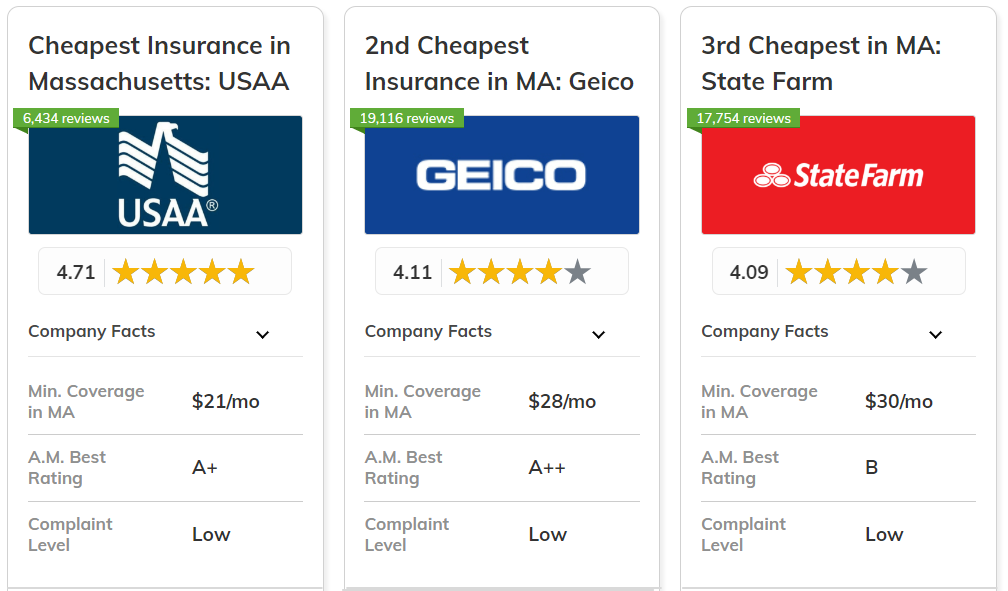
Here’s the deal: where you live in Massachusetts can seriously affect your insurance premiums. Urban areas like Boston often have higher rates due to traffic density and crime rates. BUT, if you’re in a rural area, you might pay less.
Why does location matter? Simply put, more cars and people mean more chances for accidents. Plus, crime rates can influence the likelihood of theft or vandalism.
Pro Tip: If you’re planning to move, check how your new zip code affects your insurance rates before you sign the lease.
Impact of Credit Scores
Believe it or not, your credit score can be a deciding factor for your insurance premium. A higher score might earn you lower rates because insurers see you as reliable. However, Massachusetts has unique regulations that minimize the impact of credit scores more than in other states.
Why the difference? Massachusetts focuses more on factors like driving history and age rather than financial history, giving everyone a fairer shot at decent rates.
Scenario: How Different Factors Influence a Driver’s Cost
Let’s illustrate how various factors can impact auto insurance costs with an example. Imagine two drivers living in Massachusetts:
- Driver A: 25 years old, drives a 2015 sedan, lives in a suburban area, excellent driving record, and a high credit score.
- Driver B: 18 years old, drives a 2020 sports car, resides in downtown Boston, a couple of speeding tickets, and an average credit score.
- Even if their cars are similar, Driver B will likely pay significantly more due to age, vehicle type, location, and driving history.
Comparing Auto Insurance Providers
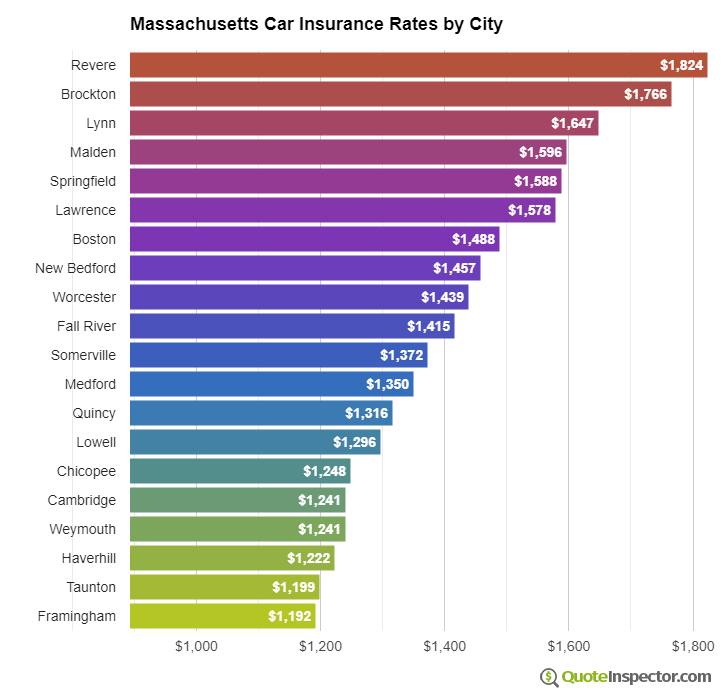
Ever wondered why auto insurance scores differ so much? Because not all insurers are created equal. In Massachusetts, the range of choices can be overwhelming. But fear not, because I’m here to break it down for you.
Finding the perfect auto insurance provider is like choosing the right car — you want reliability and the best value for your money. Here’s the deal: It’s not just about the price. You need to evaluate several factors to ensure you’re getting the best bang for your buck.
Steps to Evaluating Insurance Providers
Let’s dive into a step-by-step guide that will help you compare different auto insurance providers effectively.
- Research and Shortlist: Start with a broad search of providers available in Massachusetts. Focus on their reputation and customer reviews.
- Check Coverage Options: Does the provider offer the specific coverage you need? Comprehensive, collision, or maybe both?
- Evaluate Customer Service: A provider with poor customer service can be a nightmare. Look for 24/7 support and ease of contact.
- Assess Claims Processing: Fast claim processing is crucial. You don’t want to be stuck waiting months for a payout.
- Compare Quotes: Price is important. BUT don’t let it be the sole deciding factor. Balance cost with benefits.
Pro Tip: Don’t hesitate to ask for discounts. Many insurers offer discounts for good driving records or bundling policies.
Customer Service and Claims Processing Insights
When it comes to auto insurance, customer service is king. You need a provider that is responsive and helpful. Nobody likes being left on hold during an emergency.
Also, think about how claims are handled. Efficient claims processing can make a world of difference when you’re dealing with an accident. Look for providers with high claims satisfaction scores.
Comparison Chart of Major Providers
To simplify your decision, here’s a comparison chart showcasing the pros and cons of major auto insurance providers in Massachusetts.
| Provider | Pros | Cons |
|---|---|---|
| Provider A | Great discounts, High claims satisfaction | Higher premiums |
| Provider B | Affordable rates, Good customer service | Limited coverage options |
| Provider C | Extensive coverage options, Good reputation | Average claims processing |
Cost-Saving Strategies for Auto Insurance
Did you know that Massachusetts drivers can save hundreds on auto insurance just by tweaking a few things? Yep, it’s true! Let’s dive into some killer strategies to slash those rates.
Auto insurance can sometimes feel like a financial black hole. BUT, with the right strategies, you can significantly cut down your costs without compromising coverage. Here’s the deal: it’s all about understanding discounts, making smart choices, and a little bit of legwork.
Bundling Policies and Increasing Deductibles
One of the easiest ways to save is by bundling your auto policy with other types of insurance, like home or renters. This can lead to a serious discount from insurers. The catch? You need to have the same provider for multiple policies.
Another strategy is to raise your deductible. By opting for a higher deductible, you can lower your premium. BUT, remember: this means you’ll pay more out of pocket if you need to file a claim. Balance is key.
Available Discounts for Drivers
Insurance companies offer a slew of discounts, and knowing which ones you qualify for can lead to big savings. Here are some you should definitely check out:
- Safe driver discount: If you have a clean driving record, you’re in for a treat! Most insurers reward no accidents or violations with lower rates.
- Good student discount: Got a student in the family? Good grades can earn a discount because responsible students make safer drivers.
- Low-mileage discount: Not driving much? You’ll likely qualify for this one, as less time on the road means less risk.
- Anti-theft discount: Installing an anti-theft device can not only protect your car but also reduce your insurance costs.
Pro Tip: Regularly review your policy and discounts every year. Insurance needs change, and you might be leaving money on the table!
Regulatory and Legal Considerations
Did you know that driving without adequate auto insurance in Massachusetts could lead to fines, license suspension, or even jail time? That’s a risky game you don’t want to play.
Insurance in Massachusetts is no joke. The state has strict regulations and enforcement to ensure everyone stays protected on the road. Let’s dive into who’s in charge and what that means for you.
Regulatory Bodies in Charge
In Massachusetts, the Division of Insurance is the sheriff in town when it comes to auto insurance. This regulatory body ensures that insurance companies comply with state laws and provide fair rates. They have the power to approve rate changes and investigate complaints from policyholders. Think of them as your go-to watchdog for insurance fairness.
Implications of Inadequate Insurance
Driving without enough auto insurance coverage in Massachusetts isn’t just risky—it’s illegal. If caught, you could face penalties like hefty fines, a suspended license, or even jail time. And here’s the deal: even a small lapse in coverage can lead to significant consequences. Don’t let this happen to you.
Recent Updates to Insurance Laws
Staying current with the latest insurance laws is crucial for every driver. Massachusetts recently introduced changes aimed at increasing minimum coverage limits. These updates mean that your old policy might not cut it anymore. Make sure your coverage meets the new standards to avoid any legal hassles.
Pro Tip: Always check your policy annually to ensure compliance with any new state regulations. It’s cheaper than facing fines!
Summary
In conclusion, understanding how much auto insurance costs in Massachusetts involves peeling back multiple layers of information. By grasping the state’s unique requirements and the various factors that influence premiums, you can make informed decisions that save you money while keeping you adequately covered. Remember, the key to smart insurance shopping lies in comparing providers and taking advantage of available discounts. Drive safely and insured!
Answers to Common Questions
What are the minimum auto insurance coverage requirements in Massachusetts?
In Massachusetts, drivers must have a minimum coverage of $20,000 per person and $40,000 per accident for bodily injury liability, and $5,000 for property damage.
How do insurance providers determine premiums in Massachusetts?
Insurance providers consider factors such as age, driving history, the type of vehicle, and geographical location when determining premiums.
Does your credit score affect auto insurance costs in Massachusetts?
Yes, credit scores can influence insurance costs in Massachusetts, although the impact varies compared to other states.
What optional coverages can drivers purchase in Massachusetts?
Beyond the state minimums, drivers can opt for coverages like collision, comprehensive, and uninsured motorist protection.
What are some cost-saving strategies for auto insurance in Massachusetts?
Consider bundling policies, increasing deductibles, and taking advantage of discounts such as safe driver discounts to reduce costs.